
Consuming indecent content is not merely a physical urge; behind it lies complex neuroscience of the human brain and deeply rooted psychological reasons. Digital platforms exploit these psychological vulnerabilities to trap users in this web. Understanding the various aspects of this consumption psychology can enable parents and teachers together to provide proper guidance to the new generation.
9.1 Dopamine Effect: Neuroscience of Addiction
When a person views indecent content, a chemical called dopamine is released in large quantities in the brain. Dopamine is the chemical that creates the illusion of pleasure and reward. Compared to natural processes, this release due to indecent material is extremely rapid and intense. When the brain becomes habitually exposed to such artificial stimulation repeatedly, it begins to ignore the small joys of ordinary life. This is known as pornography addiction. This addiction brings about changes in brain function similar to drug addiction. To achieve the same high level of pleasure again, the user has to turn to such content repeatedly and for longer periods, making escape from it go beyond personal willpower.[1]
9.2 Desensitization: Need for Extreme Content
Constant viewing of indecent material reduces the brain’s sensitivity, medically termed tolerance. What initially felt stimulating begins to seem normal after some time. To achieve the same pleasure as before, the user starts searching for more provocative, violent, or perverted content. This process is called escalation. This journey from simple obscenity to extreme perversion occurs solely due to the brain’s desensitization.[2] As a result, the user’s understanding of real-life sexuality becomes distorted, and normal human relationships start feeling boring to them. This desensitization leads the person to a level where they forget moral and legal boundaries.
9.3 Voyeuristic Urge: Peeking into Others’ Private Lives
Human nature has a latent desire to peek into others’ private lives, known in psychology as voyeurism.[3] In the digital age, secretly recorded videos or viewing someone’s private moments exploit this emotion. The user feels as if they are becoming part of someone’s private life, which is not possible in real life. This urge, backed by anonymity, encourages the person to violate others’ privacy. The virtual access available on online platforms gives the user a unique experience of power and pleasure. This tendency is not limited to obscenity alone but extends to deriving pleasure from others’ shame, which is a psychological disorder.
9.4 Escapism vs Reality: Coping with Stress
Many people use indecent content to escape from daily stress, depression, or failure. When facing real-life crises becomes difficult, this artificial pleasure in the digital world feels like temporary support.[4] This is called escapism. Using obscenity to control anger or alleviate loneliness is a self-destructive strategy. Instead of solving problems, the user sinks deeper into this quagmire. By indulging in virtual pleasure instead of facing reality, the person’s decision-making ability and mental courage decrease. This escapism takes them away from real-life responsibilities, disrupting their social and professional life.
9.5 Outcome of Loneliness: Replacing Human Interaction
Increasing loneliness in modern life drives people toward digital consumption. When a person does not get sufficient interaction in society or family, they start seeking virtual relationships on the internet. The intimacy created while viewing indecent content is merely a temporary bandage on loneliness. However, this digital consumption can never replace real human interaction. On the contrary, it makes the user more introverted and socially ineffective. Instead of communicating directly with people, they become emotionally attached to characters on the screen. This cycle isolates the person from society and pushes them into a lonely world where only obscenity remains as the sole companion.
[1] Todd Love, Christian Laier, Matthias Brand, Linda Hatch, and Raju Hajela, “Neuroscience of Internet Pornography Addiction: A Review and Update”, Behav. Sci. 2015, 5, 388-433
[2] NeuroLaunch editorial team, “Obscene Behavior: Legal, Social, and Psychological Implications”, NeuroLaunch, Dt. 22.9.2022, available at: https://neurolaunch.com/obscene-behavior/, last visited on 9.12.2025
[3] Dr Neeshu Rathore, “Exploring the Depths of Voyeurism: A Psychological Perspective”, Psywellpath, Dt. 7.4.2025, available at: https://glossary.psywellpath.com/the-psychology-of-voyeurism, last visited on 9.12.2025
[4] Rahul Yadav “Gratification in the Digital Age: The Rise of Instant Gratification and Its Consequences”, Buzzpeak, Dt. 10.3.2025, available at: https://buzzpeakblog.wordpress.com/2025/03/10/gratification-in-the-digital-age-the-rise-of-instant-gratification-and-its-consequences/, last visited on 9.12.2025
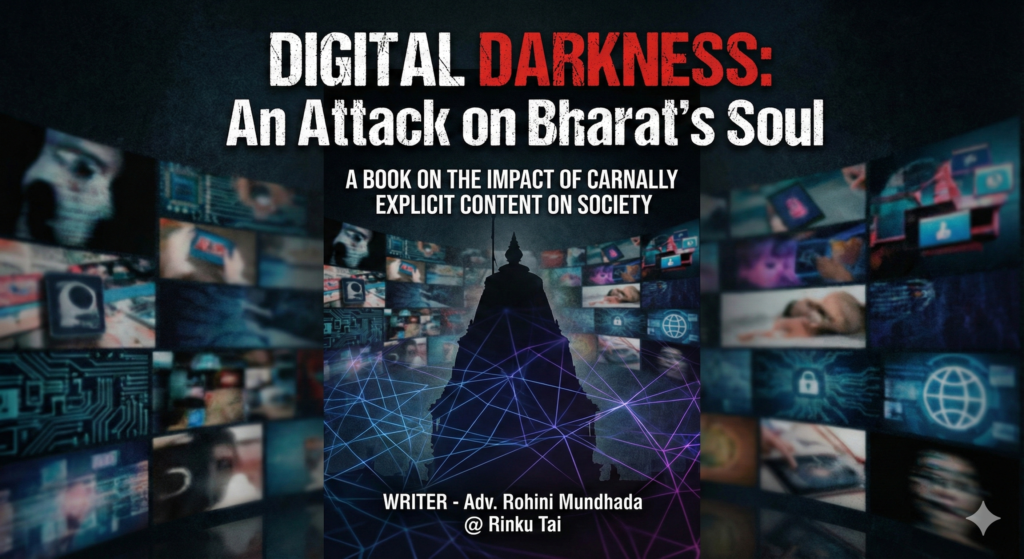
Purchase my e-book “Digital Darkness” choose your language.
Instead of doom-scrolling on mobile, just start reading good books. You can opt an option of e-books to save paper.