
How the Medium of Delivery Shifted from Static Objects to Dynamic, Interactive Platforms
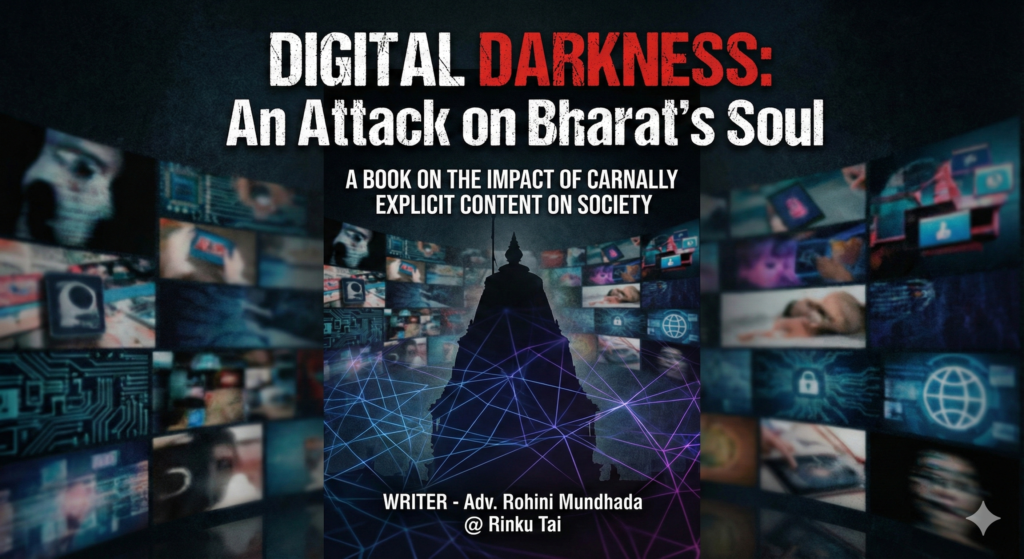
YouTube restricts explicit sexual content, demonetizing videos with pornography, though recent updates allow monetization for non-gratifying depictions like breastfeeding; revenue comes from ads, with YouTube taking 45%.[1] But this is only in policies of the platform. In reality user have to report such content repeatedly. There is no option available on YouTube to block such kind of users. To block any user, user have to purchase premium membership of the platform which is again a sole earning of YouTube itself. After certain number of subscribers and watch hours, YouTube monetizes the channel and certain percentage of ad revenue is earning of YouTube. There are lot of channels on this platform which sparked controversy for being verbally abusive, there are lot of vulgar songs, almost in every human language including Bharatiya languages, available on YouTube without any age restriction. Even breast-feeding is viral content on YouTube. All such content can be monetized.[2] Such age restriction on video or taking down such content can be done by YouTube only after huge reporting on that particular video. As YouTube is earning, YouTube is also culprit under IT Act and BNS.
Instagram limits monetization for sexual themes, reducing ad revenue; creators earn via branded content but must avoid adult products, with Meta taking fees.[3] Facebook enforces similar policies, banning monetization of sexual content through in-stream ads or reels, with high-level rules against profanity. Threads, under Meta, prohibits nudity and follows Instagram’s guidelines, with no direct monetization for adult content.[4] But there are lot of accounts on these Meta owned platforms which are full of vulgar content and are either monetized or eligible for subscription of that particular creator. Subscription account earns by paid membership and Meta keeps certain percentage from this subscription fees. In many cases paid and subscriber only content is of obscene nature. Selling of obscene content through electronic means is crime under Section 294 and 295 of BNS. As Meta is earning from such subscription, Meta is also culprit.
Telegram allows channel owners with 1,000+ subscribers to monetize via ad revenue shares (50%) or paid posts, even for adult content, without platform cuts on direct payments.[5] There are lot of channels are groups on Telegram specifically for adult content. Such channel although reported, but the channel owner can create another channel without any restriction. As Telegram is earning, such platform can also be held liable of abetting sexual crimes. Reddit’s earn program pays for eligible activities, but adult content faces restrictions from payment providers, often requiring third-party monetization.[6]
Many times Reddit pages with adult content are labeled, but such content is not at all removed from the platform. Reddit earns through different ways from the content posted by users. As the platform is earning even by distributing adult content, it can be held liable under Section 294, 295 of BNS.[7]
There is one more platform used by every person famously known as WhatsApp, owned by Meta. User can create channel for sharing content. For higher engagement benefit such channels can be verified by paying certain amount to Meta. There are many channels available on WhatsApp which provide links of users which are ready for adult and erotic conversations. Phone numbers are revealed in such chats when two users start conversation. Although such chats are private and do not include public distribution and are encrypted, but still such users are harmful for society. These chats with unknown persons may lead to organized crimes of Honey Trap. Bharat is not having any specific statutory framework for dealing with Honey Trap. Honey Trap includes, sharing obscenity, recording of chats and video calls without consent i.e. violation of privacy, blackmailing, money extortion. Blackmailing may lead to threat to national security.
Ban on Social Media or any other website
All these platforms are accessible to minors also. Minors may become victims, if they unknowingly start conversation with such creators. Australia has imposed ban on use of social media by person below age of 16 years. Same is demanded in Bharat. In Nepal, this was executed and complete ban on social media use was imposed, which turned into unrest of the country and protests took tool of 19 persons. It also lead to collapse of government in Nepal.[8] The Nepal case proved that banning social media will lead to unrest. But before concluding anything let us discuss about ban in Australia.
Australia’s groundbreaking social media ban for children under 16 took effect on December 10, 2025, making it the world’s first national legislation of its kind. The law, passed in November 2024 with broad bipartisan support, aims to shield young users from online harms like cyberbullying, mental health issues, and exposure to inappropriate content. It targets major platforms including Facebook, Instagram, TikTok, Snapchat, X (formerly Twitter), and Reddit, but exempts educational, health, or messaging apps like WhatsApp.[9] A one-year trial period begins in 2025, during which the government, via the eSafety Commissioner, will test and refine age assurance technologies before full penalties apply in late 2026. Non-compliance could result in fines up to A$49.5 million (about $32 million USD) per serious breach. Existing underage accounts won’t be immediately deleted but may be suspended until verified.[10]
As per this Australian law, Social media companies bear full responsibility for enforcement, not parents or children. Platforms must implement “reasonable steps” to prevent under-16s from creating new accounts or accessing existing ones, including age verification processes that preserve privacy. For instance, Snapchat announced it would lock accounts of Australian users under 16 starting December 10, requiring age proof to regain access. Other companies like Meta, owner of Facebook, Thread, WhatsApp, and Instagram) are developing similar systems, potentially using AI, biometrics, or third-party verification without collecting excessive personal data.[11] The problem of age verification is associated with theft of sensitive data submitted to private tech giants. Hence this can become more dangerous for all persons including minors and adults.
Since 2015, many sites with carnally explicit content are banned in Bharat. But social media accounts posting such content are not held in nation of basis of legal demand. Banning one site or app is quick fix. One site, app or account is banned, tens of them are created by same persons with same content. Hence banning is not at all perfect solution. Banning is only the first step to stop distribution. To resolve this problem we need statutory provisions that make platforms also liable and can impose heavy fines on them, which can create a loss in their business. Tech giants are here in business of making money not in action of moral policing. Hence it is necessary to make platforms liable. Creators shall also be punished with heavy fines. Instead of increasing imprisonment, government shall increase fines. At present statute provides fine in few thousands. Few thousands can be earned by these creators and platforms in minute. Fines shall snatch all the incomes from such content, then only this problem can be resolved.
[1] Nudity & Sexual Content Policy, YouTube Help, https://support.google.com/youtube/answer/2802002?hl=en
[2] YouTube Updates Adult Content Policy to Let Videos Showing ‘Sensual Dancing’ or Nudity While Breastfeeding Earn Ad Revenue, Yahoo Entertainment, https://www.yahoo.com/entertainment/youtube-updates-adult-content-policy-152655586.html?guccounter=1
[3] Instagram Content Monetization Policy, Instagram Help Centre, https://help.instagram.com/2635536099905516
[4] Content Monetisation Policies, Meta, https://www.facebook.com/business/help/1348682518563619?id=2520940424820218
[5] Sharing Revenue with Channel Owners, Telegram, https://telegram.org/blog/monetization-for-channels
[6] Reddit Earn Policy, Reddit, https://redditinc.com/policies/earn-policy
[7] How Reddit Makes Money, Investopedia, https://www.investopedia.com/articles/investing/093015/how-reddit-makes-money.asp
[8] From Streets to Discord: How Nepal’s Gen Z Toppled a Government, Carnegie Endowment for International Peace, https://carnegieendowment.org/research/2025/09/nepal-gen-z-topple-government?lang=en
[9] Australia begins enforcing world-first teen social media ban, Reuters, https://www.reuters.com/legal/litigation/australia-social-media-ban-takes-effect-world-first-2025-12-09/
[10] Social media ‘ban’ or delay FAQs, eSatety Commissioner, https://www.esafety.gov.au/about-us/industry-regulation/social-media-age-restrictions/faqs
[11] Australia: Social media ban for children and young people an “ineffective quick fix” that will not prevent online harms, Amenesty, https://www.amnesty.org/en/latest/news/2025/12/australia-social-media-ban-for-children-and-young-people-an-ineffective-quick-fix-that-will-not-prevent-online-harms/
Send an email by clicking the red button below! As you click the button an automatic mail will be ready for you to send. This email is addressing to Chief Ministers of all states of Bharat and Prime Minister of Bharat.
As you have sent the Email, share this article with others. Greater the social issue, more awareness is required!


Want to curb social media addiction, start reading!
Historical Context and Evolution: Part 1
Historical Context and Evolution: Part 2