Chapter II: Places of Worship (Special Provisions) Act, 1991:
2.1 History of Law Governing Places of Worship:
As the law is for protecting secular emotion of the nation, let us try to find out its roots in the history.
2.1.1 Pre-Colonial and Colonial Periods:
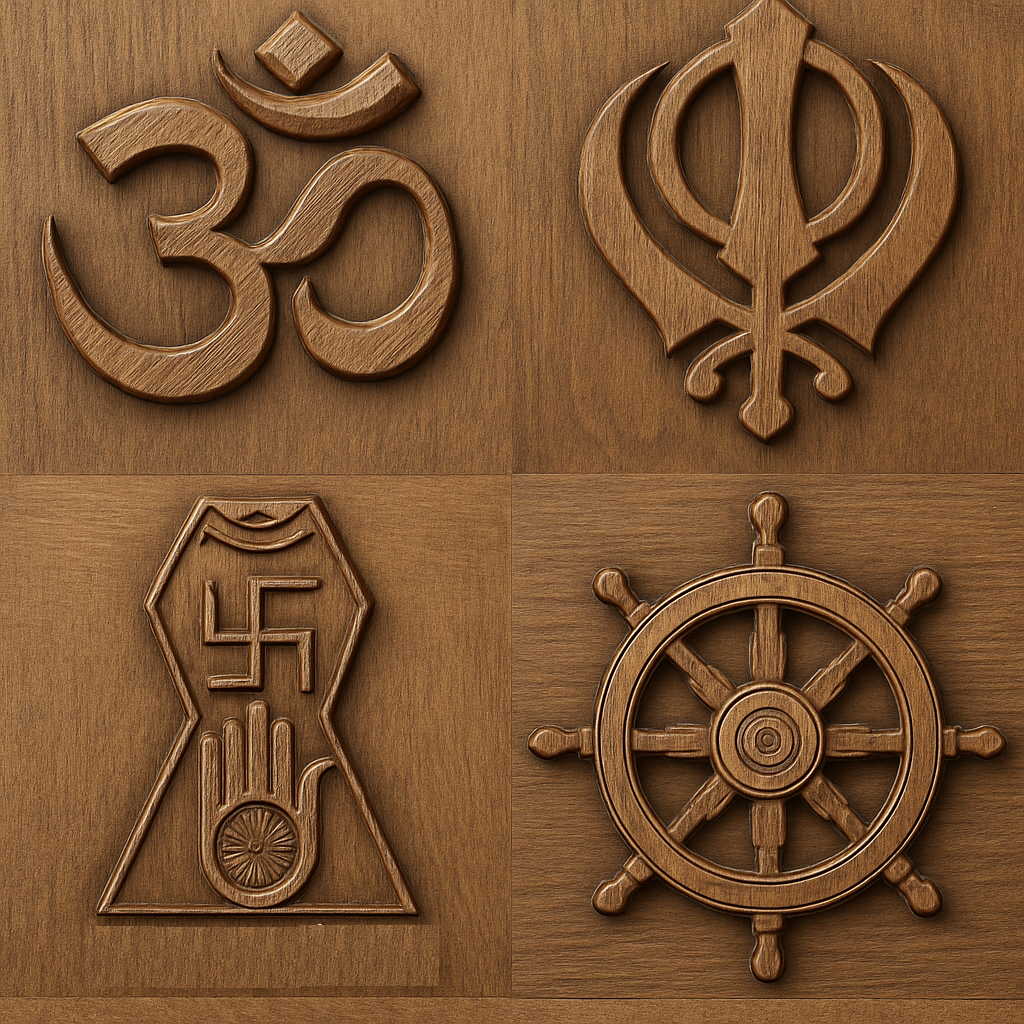
Before starting with the invasions from middle-east, let me clear that, before such invasions people of Hindu, Sikh, Jain, Buddhist, Zoroastrian, and in small portion Christian and Islamic faiths were living in this country peacefully without invading and insulting religious beliefs of others. There were no incidences recorded of vandalisation of any kind of place of worship and its conversion into any other kind of place of worship by construction the same on the ruins of prior. So, there was no need of such law at that time, because people were practicing their faiths in conscience. It had been started when invaders came in this country, they looted, they destroyed and then they ruled.
Islamic Invasions and Religious Conversions: Over centuries, Bharat saw numerous invasions, leading to the destruction or conversion of many Hindu temples into mosques. Notable examples include the Shahi Idgah (Krishna Janma Bhumi, Mathura), the Gyanvapi Mosque (formerly Kashi Vishwanath Temple in Varanasi), and the Qutub Minar complex in Delhi, which was built using materials from demolished Hindu and Jain temples. It is claimed that near about 40,000 places of worship belonging to Hindu, Sikh, Jain, Buddhist communities collectively were destroyed by the invaders and foreign rulers in past 1200 years.[1]
British Colonial Influence: The British Raj introduced policies that often favored maintaining the status quo of religious sites to prevent communal unrest. This was partly due to the divide-and-rule policy which sometimes exacerbated communal tensions, leading to cautious approaches towards religious disputes. The similar policy of maintaining status quo of the places of religious significance is encompassed in the Act and it is observed that ruling party in 1991 was doing appeasement politics. Here is doubt about the intentions of the law makers behind applying the same policy in this enactment and hence the criticism is in debate on this Act.
Reference:
[1] Clear Cut Talks, J sai deepak latest Podcast on Owaisi, Mosque on Hindu Temples, Places of Worship Act & Constitution, available at https://www.youtube.com/watch?v=k_EmIOm8RqI, last visited on Dt. December 30, 2024
Add this website to your bookmarks to know more about these laws in simple language so that you can understand the provisions, their purpose, impact of implementation, failure to protect culture and much more. Share if you found it important for battle of cultural preservation
Know more about laws related to temples…